À propos
Vision
Nous œuvrons afin que les groupes féministes, tant nouveaux qu’établis, de la région MENA aient accès à un financement plus important et de meilleure qualité afin de poursuivre et de développer leur travail, de définir leurs priorités et de produire des connaissances locales.
Mission
Le Fonds féministe Doria est un fonds féministe qui œuvre au renforcement des militantes, des institutions et des mouvements par l’octroi de subventions, le partage de compétences, les espaces de rencontre, la solidarité mutuelle et le soutien. Le DFF veille à ce que les mouvements féministes disposent de ressources suffisantes et flexibles pour identifier et définir leurs priorités de manière indépendante, développer et pérenniser leur militantisme, produire des connaissances par et pour leurs membres et défendre les droits de toutes les femmes et des personnes et groupes LBTQ+ dans leurs pays.
En tant que fonds féministe, le DFF mobilise des ressources financières, politiques et techniques auprès d'un large éventail de bailleurs de fonds et contribue au plaidoyer et à la sensibilisation afin de construire un écosystème de donateurs qui comprennent le contexte politique, économique, culturel et social des militantes dans toute la région.

Nous aimerions vous présenter Zaha
En arabe, « zaha » est un verbe qui signifie grandir, éclore et s'épanouir. Il signifie aussi briller ou illuminer. C'est l'expression de choix pour décrire l'une de nos initiatives les plus audacieuses à ce jour.
Née d'une réflexion collective menée avec des militantes, des groupes et des organisations féministes engagés du Moyen-Orient et d'Afrique du Nord, Zaha constitue une lueur d'espoir dans une période exceptionnellement difficile. Elle témoigne de notre lutte constante, de notre unité et de notre solidarité face à l'oppression et à la violence.
Zaha est l'avenir dont nous rêvons. C'est un fruit qui ne demande qu'à éclore et c’est notre réponse à la question : « Où sont les féministes dans ce qui se passe dans notre région ? » Nous voici donc, en train d’avancer ensemble vers un avenir féministe pétri de justice, de liberté et de joie.
Nos valeurs
- Diversité et inclusion
- Solidarité
- Approche holistique
- Pérennisation
- Visibilité
- Respect
- Cocréation
- Confiance absolue

Son histoire à elle
Le financement féministe : Une question politique et stratégique
En dépit de la richesse et de la diversité du travail et de la pratique attribués aux féministes de la région MENA, leurs efforts sont souvent occultés lors des réunions et des plateformes internationales, et le financement est fragmentaire et inapproprié. Les féministes n’ont eu de cesse de marteler qu’un monde plus juste et plus féministe exige des changements radicaux dans les modèles capitalistes de distribution des richesses et dans le fonctionnement des bailleurs de fonds philanthropiques, développementaux et gouvernementaux. Elles ont mené un plaidoyer au sein des principaux écosystèmes de financement et ont créé leurs propres fonds, mis en place des mécanismes nouveaux pour le transfert des ressources et élaboré des preuves montrant que les femmes sont capables de gérer des sommes importantes.
Travail collectif et conflits : La naissance du Fonds féministe DFF
À la lumière des échanges sur l’importance de créer un mécanisme de financement autonome dans la région MENA, un groupe de militantes égyptiennes a lancé des consultations en 2019 sur les implications politiques et pratiques liées à la création d’un fonds indépendant pour les femmes. Ces échanges ont bénéficié des efforts de nombreuses militantes de la région qui ont compilé des études préliminaires, des recommandations antérieures et des évaluations portant sur la sûreté et la sécurité des modalités de transfert des fonds afin de ne pas porter préjudice aux communautés destinataires.
Né du militantisme collectif de nombreuses féministes de la région, le DFF a été lancé de manière officielle le 8 mars 2021 à l’occasion de la Journée internationale des femmes, avec une vision à long terme visant à promouvoir un changement social équitable, inclusif et juste en instaurant un écosystème de financement féministe autonome et responsable à l’égard des mouvements dans la région.
Regarder notre histoire
Le Conseil d’administration
Le Fonds féministe Doria est dirigé par un Conseil d'administration dont les membres mettent à disposition de manière bénévole leur temps, leur expertise et leurs réseaux. Le travail quotidien est assuré par une équipe réduite de consultant(e)s et de conseillères/conseillers féministes. Le DFF compte également sur un réseau d'organisations et de chercheuses/chercheurs féministes de la région qui apporte un accompagnement et un mentorat précieux.
Fondatrice
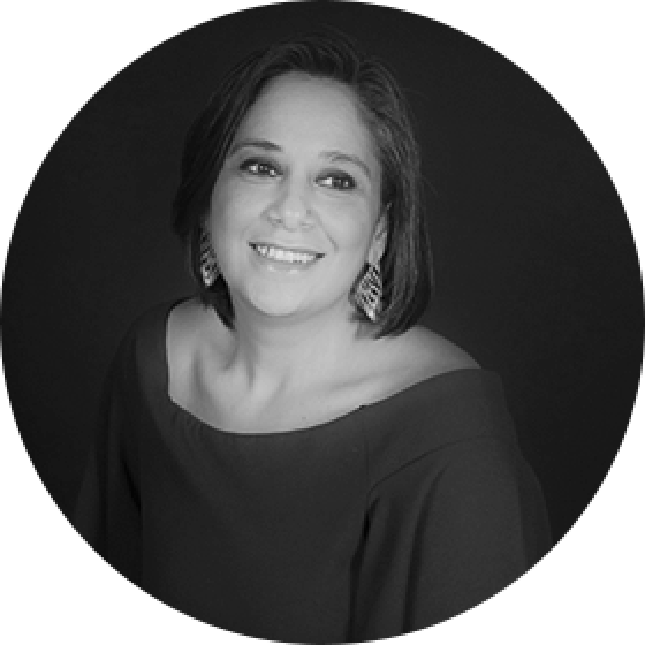
Mozn Hassan
Fondatrice
Mozn Hassan est une militante féministe égyptienne fondatrice de Nazra for Feminist Studies. Elle a reçu de nombreuses distinctions, dont le premier prix Charlotte Bunch pour les droits humains décerné par le Fonds mondial pour les femmes en 2013.
En 2016, Hassan et Nazra reçoivent conjointement le prix Right Livelihood, souvent qualifié de « prix Nobel alternatif de la paix », pour leur engagement en faveur de l'égalité et des droits des femmes victimes de violences, d'abus et de discriminations. L'intégralité de ce prix est consacrée à la création du Fonds féministe Doria.